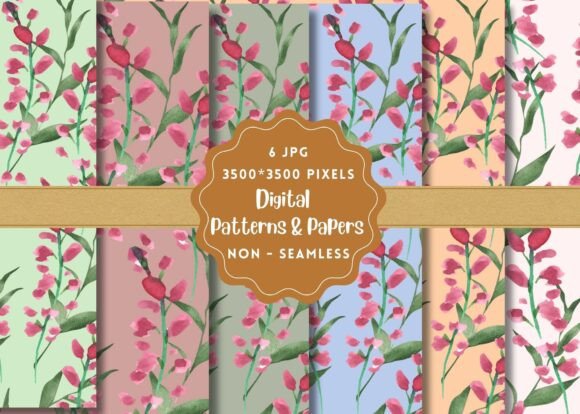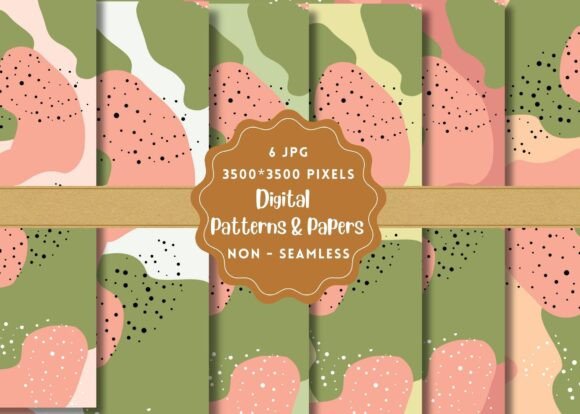
Cow Prints Digital Paper Patterns
In the world of digital design and physical crafting, texture and pattern are often the unsung heroes that elevate a project from amateur to professional. Whether you are designing a greeting card, wrapping a gift, or creating a print-on-demand product, the quality of your background material matters immensely. This is where Cow Prints Digital Paper Patterns enter the conversation as a versatile and high-quality resource. Specifically, this collection offers six downloadable JPG files at a substantial 3500 by 3500 pixels resolution with a 300 DPI standard, making them suitable for both screen-based projects and tangible, printed goods.
For creators ranging from freelance graphic designers to small business owners in the handmade sector, finding reliable assets can be time-consuming. You need patterns that are not only visually appealing but also technically robust enough to handle scaling without pixelation. The Cow Prints Downloadable Digital Patterns Papers address these needs directly. By providing high-resolution assets, they remove the friction between idea execution and final output, allowing you to focus on composition rather than technical troubleshooting.
Understanding the Technical Specifications
Before diving into creative applications, it is essential to understand what makes these specific digital papers stand out. The core value lies in the intersection of resolution and format. A resolution of 3500 by 3500 pixels ensures that even when you enlarge the image for large-format printing, such as wall art or posters, the details remain crisp. Combined with a 300 DPI (dots per inch) setting, which is the industry standard for high-quality printing, these files are ready for immediate use in professional workflows.
The inclusion of six distinct patterns within the download provides variety without overwhelming the user. Instead of sifting through hundreds of irrelevant images, you get a curated set that likely shares a cohesive aesthetic while offering enough variation to suit different branding or artistic needs. The JPG format is universally compatible, meaning you can open these files in almost any design software, from Adobe Photoshop and Illustrator to Canva or simple photo editors. This accessibility lowers the barrier to entry for hobbyists who may not have access to expensive enterprise-level software.
Practical Applications for Physical Products
One of the most significant advantages of having high-resolution digital paper patterns is their utility in physical product creation. For entrepreneurs running print-on-demand businesses or those selling handmade goods on platforms like Etsy, these patterns offer a cost-effective way to add unique branding to products without the expense of custom manufacturing runs.
Consider the example of a boutique owner looking to create branded tote bags. Using Cow Prints Digital Paper Patterns, they can apply the texture to mockups of canvas bags, visualize how the print looks on fabric, and then send the high-res file to a printer. Because the resolution is 300 DPI, the resulting print will not appear blurry or pixelated, ensuring customer satisfaction. Similarly, for scrapbookers and card makers, these patterns provide a sophisticated backdrop that mimics the look of textured leather or hide, adding depth to flat paper crafts.
Gift wrapping is another area where these patterns shine. Standard wrapping paper can feel generic, but using a custom digital pattern allows for personalized, thematic wrapping that feels thoughtful and premium. You can print the pattern on high-quality matte or glossy paper, cutting it to size for gifts. This approach saves money over buying specialty wrapping paper and allows for endless reuse if you store the digital file for future occasions.
Digital Design and Background Utility
While physical applications are prominent, the digital utility of these patterns should not be overlooked. In an era where visual content dominates social media and web design, having high-quality textures can significantly enhance the perceived value of digital work. Bloggers and marketers can use these cow print patterns as backgrounds for blog headers, social media posts, or email newsletters. The neutral yet distinctive nature of cow prints can serve as a subtle texture that does not overpower text or primary imagery, provided opacity settings are adjusted correctly.
For educators and presenters, incorporating subtle textures into slide decks can make presentations more engaging. A plain white background can feel sterile, whereas a textured background adds warmth and professionalism. These digital papers can be used as overlays or full-slide backgrounds, helping to maintain audience attention through visual interest. Furthermore, for app developers or UI designers, these patterns can be used as asset textures for buttons, icons, or decorative elements in mobile applications, adding a tactile feel to digital interfaces.
Who Benefits Most from This Resource?
The versatility of Cow Prints Digital Paper Patterns means they appeal to a wide demographic, but certain groups will find particular value in them.
- Small Business Owners: Those selling stationery, home décor, or apparel can use these patterns to quickly prototype designs or create consistent branding across multiple products.
- Hobbyists and Crafters: Individuals who enjoy DIY projects benefit from the ease of use. No scanning or photographing is required; simply download, print, and create.
- Graphic Designers: Professionals can integrate these patterns into larger compositions, using them as layers to add complexity to illustrations or layouts.
- Publishers and Editors: For book covers or magazine layouts that require rustic, farm-to-table, or playful themes, these patterns offer a quick solution for cover art concepts.
By targeting these specific audiences, the patterns solve real problems: the lack of affordable, high-quality textures and the time spent searching for suitable assets online.
Considerations and Best Practices
While the benefits are clear, users should keep a few practical considerations in mind to get the best results. First, always check the color profile of your monitor against your printer. Digital screens use RGB color modes, while printers use CMYK. Although the JPG files are high resolution, colors may shift slightly during the printing process. It is advisable to print a test strip before committing to a large batch of physical items.
Additionally, consider the scale of the pattern. At 3500 pixels, the pattern repeats seamlessly, but depending on the object you are covering, you may need to adjust the tile size in your design software. For small items like greeting cards, a tighter repeat might look better, while for large wall art, a more spread-out appearance could be desired. Experimenting with these scales can yield unique effects that distinguish your work from others using the same asset.
Finally, remember the licensing terms associated with digital downloads. While these patterns are excellent for creating end products, ensure you understand whether you are purchasing a personal use license or a commercial one. For freelancers and business owners, confirming commercial usage rights is crucial to avoid legal issues down the line.
Conclusion
The Cow Prints Digital Paper Patterns represent a smart investment for anyone involved in visual creation. By combining high technical specifications with broad applicability, they bridge the gap between digital convenience and physical quality. Whether you are enhancing a digital portfolio, streamlining your production workflow for physical goods, or simply adding a touch of creativity to everyday projects, these patterns offer a reliable foundation. Their high resolution and versatile nature make them a valuable tool in the modern creator’s toolkit, supporting efficiency and elevating the final presentation of your work.