Brick Tile Texture Seamless Patterns 4
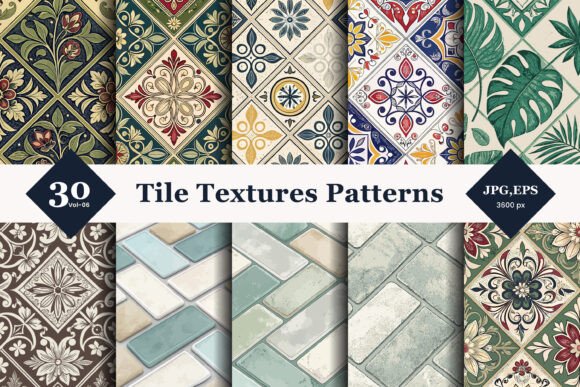
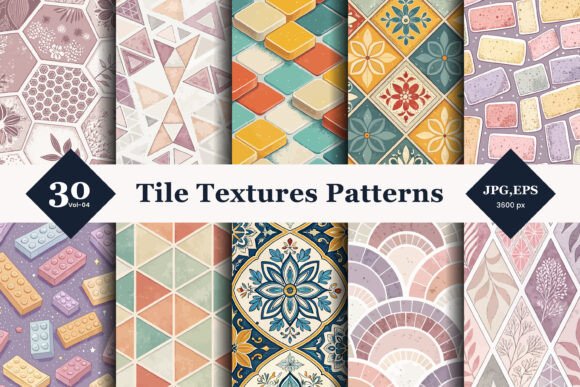
When you are designing a space, whether it is a physical room or a digital interface, the surface materials define the mood. You might be sketching out a new interior layout for a client, creating a brand identity for a startup that wants to feel grounded and reliable, or simply trying to make your home office look less sterile. In these moments, having access to high-quality visual assets isn't just a convenience; it’s a necessity. Brick Tile Texture Seamless Patterns 4 offers a curated collection of 30 distinct patterns that capture the natural charm and intricate details of brick and tile surfaces. This resource is designed for creators who need to add depth, character, and authenticity to their work without spending hours photographing walls or sourcing low-resolution images from the web.
The beauty of this set lies in its versatility. It bridges the gap between rugged industrial aesthetics and classic, timeless elegance. Whether you are looking to evoke the warmth of an old European cobblestone street or the clean precision of modern subway tiles, this collection provides the visual language to do so. The patterns are available in both EPS vector format and high-resolution JPG files, ensuring that no matter how you plan to use them, you have the right tool for the job. Let’s explore how different professionals and hobbyists can integrate these textures into their daily workflows to achieve better results faster.
Why Surface Textures Matter in Design
In a world dominated by flat, minimalist digital interfaces, texture serves as a powerful anchor. It adds tactile quality to visual designs, making them feel more real and engaging. For designers, using seamless patterns means you can fill backgrounds, create repeating motifs, or overlay textures onto mockups with ease. The key advantage of seamless patterns is continuity; they repeat flawlessly, allowing you to scale them up or down without visible seams breaking the illusion.
Brick Tile Texture Seamless Patterns 4 addresses a common pain point: finding textures that don’t look like generic stock photos. Many free resources offer washed-out or overly saturated images that clash with professional color palettes. These 30 patterns are crafted to maintain natural lighting and material integrity. When you apply a brick texture to a website header, you aren’t just adding noise; you are signaling stability, history, or craftsmanship. When you use a tile pattern on a packaging design, you might be suggesting hygiene, structure, or artisanal quality. Understanding this psychological impact helps you choose the right pattern for the right context.
Real-World Applications Across Industries
The utility of these textures extends far beyond simple background decoration. Here is how various users can leverage this asset library in practical scenarios.
Interior Designers and Architects
If you are presenting a concept to a client, photorealistic renders are essential. Instead of building complex 3D models for every wall surface, you can use these seamless patterns in software like Photoshop or Illustrator to quickly visualize material choices. Imagine pitching a loft apartment conversion. By applying a rough brick texture to the render’s accent wall, you instantly communicate the industrial vibe. Conversely, using a subtle ceramic tile pattern in the bathroom section of the same presentation highlights cleanliness and modernity. The ability to switch between these looks instantly during a meeting allows for dynamic storytelling about the space.
Graphic Designers and Brand Identity Creators
For freelancers creating brand kits, consistency is king. A coffee shop chain might want a logo that feels earthy and organic. Overlaying a subtle brick texture behind the typography can reinforce the "roasted" and "grounded" narrative without overwhelming the main graphic. Similarly, a construction company or a hardware store could benefit from the structural reliability implied by tile patterns. Because the EPS files are vectors, you can resize these logos and patterns infinitely for business cards, billboards, or social media avatars without losing sharpness. This flexibility is crucial for maintaining brand coherence across all touchpoints.
Web Developers and UI/UX Designers
Modern web design often relies on CSS gradients and solid colors, but strategic use of texture can break up monotony. A blog about home renovation or DIY projects could use a faint brick pattern in the sidebar or footer to tie the content theme together. Since the JPG files are 300 DPI, they are crisp enough for retina displays, ensuring that users on high-end devices see the detail clearly. However, the key here is subtlety. These textures should enhance readability, not distract from it. Using them as background elements with reduced opacity can add depth to landing pages, making calls-to-action pop against a textured backdrop.
Educators and Content Creators
Teachers and bloggers often struggle with making educational materials visually appealing. A lesson plan about geometry or architecture becomes more engaging when students can see real-world examples of tiling and masonry. Educators can download these patterns to create worksheets, posters, or digital slides that illustrate concepts of symmetry, repetition, and tessellation. For bloggers writing about travel or culture, incorporating these textures into featured images adds a layer of professionalism that attracts readers. It transforms a plain text post into a rich multimedia experience.
Technical Advantages: Vector vs. Raster
One of the standout features of Brick Tile Texture Seamless Patterns 4 is the dual-format availability. Understanding the difference between EPS and JPG will help you maximize the value of your purchase.
- EPS Vector Files: These are ideal for print-heavy projects. If you are designing a large-format banner, a brochure, or a product label, vector files ensure that the edges of the bricks and tiles remain sharp regardless of size. They also allow you to edit individual elements if needed, offering maximum control over the final output. For commercial printing, where resolution requirements can be strict, EPS is the safest choice.
- JPG High-Resolution Files: At 300 DPI, these files are perfect for digital screens and smaller print jobs. They are easier to handle in raster-based programs like Photoshop and are ready to upload directly to websites or social media platforms. If you need to blend the texture with other photographic elements using layer masks or blending modes, JPGs provide the pixel-perfect data needed for smooth transitions.
Considerations Before You Start
While these patterns are versatile, successful integration requires thoughtful application. First, consider the scale. A brick pattern that looks great on a mobile phone screen might look chaotic and overwhelming on a desktop background. Always preview your texture at the actual size it will be used. Second, think about contrast. Dark brick textures require light text overlays to remain readable, while light tile patterns might need darker accents to stand out. Testing your design in grayscale can help you check for sufficient contrast before committing to colors.
Another practical tip is to experiment with opacity and blending modes. Often, the most effective use of texture is not at 100% opacity. Dropping the opacity to 10-20% can add a subtle grain or structure that makes a design feel premium without distracting from the core message. Additionally, since these are seamless patterns, ensure that your canvas or document size accommodates the repeat cycle appropriately to avoid awkward cuts at the edges of your project.
Conclusion
Whether you are a seasoned designer looking to streamline your workflow or a small business owner wanting to elevate your marketing materials, Brick Tile Texture Seamless Patterns 4 provides a robust toolkit. The combination of 30 unique designs, high-resolution outputs, and vector flexibility makes it a valuable asset for anyone serious about visual communication. By choosing textures that resonate with your audience’s expectations—whether that’s the trustworthiness of stone or the cleanliness of tile—you can create designs that not only look good but also communicate the right message effectively. Download the set, experiment with different applications, and discover how these simple surfaces can transform your creative projects from ordinary to extraordinary.