Pastel Fleece Floral Embroidery Patterns
In the landscape of digital design and physical crafting, the transition from concept to final product relies heavily on the quality and versatility of your assets. Pastel Fleece Floral Embroidery Patterns represent a specific niche where aesthetic softness meets structural detail. These are not merely decorative images; they are functional design elements intended for high-resolution reproduction across various mediums. For professionals in graphic design, small business owners producing print-on-demand goods, or hobbyists engaged in complex scrapbooking and textile projects, understanding how to integrate these patterns into your workflow is essential for maintaining consistency and quality.
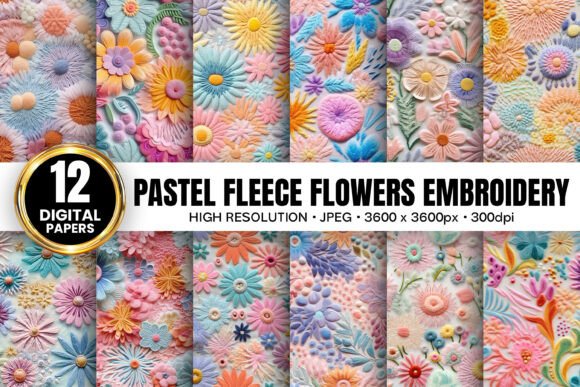
The core value of this asset lies in its dual nature: it mimics the tactile warmth of fleece fabric while retaining the intricate detail of floral embroidery. This combination allows designers to create visuals that feel organic and handcrafted, even when produced through digital means. The availability of both standard embroidery motifs and seamless repeating patterns expands the utility of these files, allowing for everything from single focal points on greeting cards to continuous backgrounds for wallpaper or textile printing.
Understanding the Asset Specifications
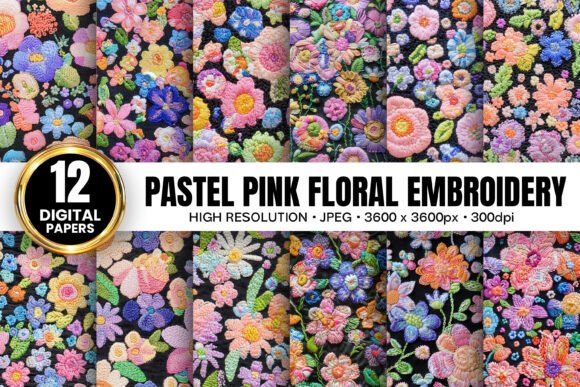
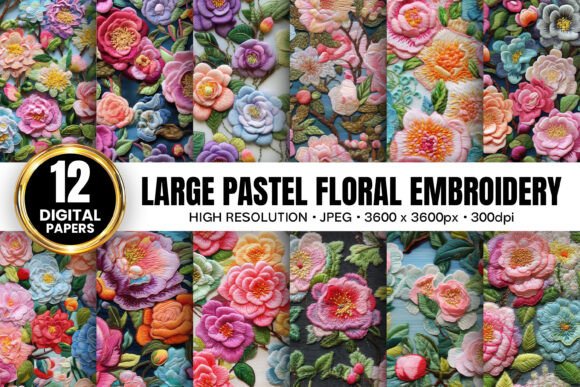
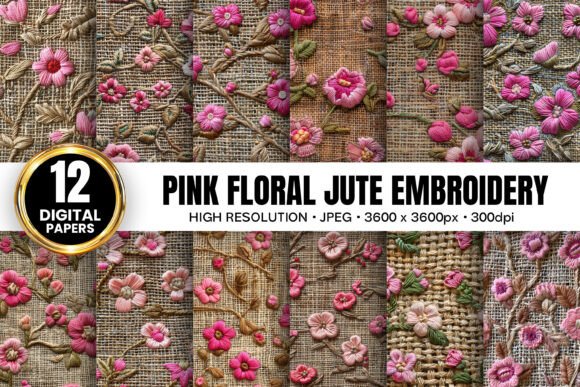
Before integrating any digital asset into a production pipeline, verifying technical specifications is a critical step. The provided package includes 12 high-resolution digital papers, all contained within a single ZIP file for streamlined organization. Each file is rendered at 300 DPI (dots per inch), which is the industry standard for professional printing. This resolution ensures that when you scale these patterns for larger formats, such as wall art or fabric rolls, the image remains crisp without pixelation or blurring.
The dimensions of each file are 3600 x 3600 pixels, equating to a physical size of 12″ x 12″ at 300 DPI. This square format is highly versatile. It aligns perfectly with standard scrapbook paper sizes, making it immediately usable in layout software like Adobe InDesign or Canva without requiring significant cropping or aspect ratio adjustments. Furthermore, the JPG format ensures broad compatibility across almost all design platforms, operating systems, and printer drivers, reducing the friction often associated with proprietary file types.
Quality Control and Color Management
While the digital files are high-quality, users must account for the variables inherent in color reproduction. The prompt notes that actual colors may vary slightly due to monitor settings and printing methods. This is a crucial consideration for brand consistency. If you are using these patterns for custom apparel or branded stationery, it is advisable to perform a test print on the specific media you intend to use. Monitor calibration plays a significant role here; an uncalibrated screen may display the pastel hues as either too washed out or overly saturated compared to the final printed output. Understanding this variance allows you to make necessary adjustments in your design software before committing to a full production run.
Integration into Creative Workflows
The utility of Pastel Fleece Floral Embroidery Patterns extends across multiple stages of creative and commercial processes. How you utilize these assets depends largely on whether you are working in a purely digital environment, a hybrid physical-digital space, or a traditional craft setting.
Digital Design and Stationery Creation
For digital planners, journal creators, and stationery designers, these patterns serve as foundational background layers. The seamless nature of half the collection allows for easy tiling in vector or raster graphics software. You can layer these patterns over solid colors or other textures to add depth to digital invitations, e-book covers, or social media graphics. The "fleece" texture implied by the pattern adds a visual weight that prevents flat designs from looking sterile.
When designing greeting cards, the non-seamless embroidery patterns work exceptionally well as central focal points. They can be placed centrally on card fronts, surrounded by ample white space to maintain a clean, minimalist aesthetic. Alternatively, they can be used as corner accents or borders. Because the files are high-resolution, you can crop specific floral clusters to create custom icons or badges for your digital products.
Physical Crafting and Scrapbooking
In the realm of physical crafts, these digital papers bridge the gap between homemade aesthetics and professional finish. For scrapbookers, printing these 12″ x 12″ sheets provides ready-made page bases that eliminate the need to hunt for compatible commercial papers. The floral embroidery theme pairs well with vintage-style typography, lace trimmings, and dried flower embellishments.
Junk journal enthusiasts will find particular value in the texture of these designs. When printed on heavier cardstock or textured paper, the visual representation of embroidery adds a layer of sophistication to mixed-media pages. These patterns can also be cut into shapes—such as tags, pockets, or decorative inserts—using die-cutting machines or precision cutters like Cricut or Silhouette. The high contrast and clear lines of the embroidery details ensure that even small cutouts remain visually distinct.
Textile and Apparel Applications
Small business owners focusing on custom apparel or home decor can leverage the seamless patterns for direct-to-garment (DTG) printing or sublimation. The 300 DPI resolution is sufficient for many textile printing applications, provided the fabric substrate is properly prepared. The pastel color palette appeals to a broad demographic, particularly in markets favoring soft, romantic, or spring/summer collections. When preparing these files for textile printing, ensure that your RIP (Raster Image Processor) software correctly handles the color profile to prevent muddiness in the lighter pastel tones.
Tumbler wraps are another emerging market where these patterns excel. The 12″ width is ideal for wrapping around standard 20oz or 30oz tumblers, allowing the seamless repeats to flow continuously around the object. This creates a cohesive look that enhances the perceived value of the finished product.
Practical Implementation Tips
To maximize the efficiency of using these assets, consider adopting a systematic approach to file management and design execution.
- Organization: Upon downloading the ZIP file, extract the contents into a dedicated folder structure. Create subfolders for "Seamless Patterns," "Single Motifs," and "Printed Outputs." This prevents clutter and speeds up retrieval during busy project phases.
- Preparation: Before starting a major project, select the three to four patterns that best fit your color scheme. Having a curated shortlist reduces decision fatigue and keeps your design process focused.
- Compatibility Checks: If you are collaborating with a team or outsourcing printing, verify that your collaborators have access to the same color profiles. Sending a JPG without context can lead to misinterpretation of the intended shade of pastel.
- Variation Usage: Do not limit yourself to using the patterns exactly as they appear. Experiment with opacity levels, blending modes (such as Multiply or Overlay), and color adjustments in Photoshop or similar software. A pastel fleece pattern might look entirely different when tinted blue versus pink, offering two distinct looks from one asset.
Long-Term Value and Versatility
The investment in high-quality digital assets pays off through longevity and reuse. Unlike trend-driven designs that may fall out of fashion quickly, floral embroidery patterns possess a timeless quality. They can be repurposed across seasons by adjusting accompanying colors or typography. A pattern designed for Valentine’s Day can be adapted for Easter or Mother’s Day with minor tweaks.
Furthermore, the digital nature of these products means there is no inventory risk. You can sell digital downloads, offer them as bonuses for physical products, or use them internally for client presentations without worrying about stock levels. For educators and bloggers, these patterns provide engaging visual content for tutorials, Pinterest pins, and blog headers, helping to establish a cohesive brand identity.
Conclusion
Integrating Pastel Fleece Floral Embroidery Patterns into your workflow requires attention to technical details and creative strategy. By leveraging the high-resolution specifications and diverse use cases—from digital stationery to physical textiles—you can enhance the quality and appeal of your final outputs. Whether you are a seasoned professional streamlining your production line or a hobbyist seeking to elevate your DIY projects, these assets offer a reliable foundation for creating beautiful, consistent, and marketable designs. Remember to prioritize color accuracy and file organization to ensure smooth execution from start to finish.