Pastel Dots Un-perfect Patterns: A Practical Guide to Elevating Your Creative Projects
In the world of digital design and crafting, the pursuit of perfection often leads creators down a rabbit hole of over-editing and rigid templates. There is a refreshing shift happening in the creative community, where imperfection is not just accepted but celebrated. This is where Pastel Dots Un-perfect Patterns steps in as a valuable resource for anyone looking to add warmth, authenticity, and visual interest to their work. Whether you are a seasoned graphic designer, a hobbyist scrapbooker, or a small business owner trying to establish a brand identity that feels approachable, understanding how to leverage these specific textures can transform your projects from generic to memorable.
The term "un-perfect" might sound counterintuitive when discussing high-quality assets, but it refers to the subtle irregularities in the dot patterns—slight variations in spacing, size, or alignment—that mimic hand-drawn elements or organic textures. These nuances prevent designs from feeling sterile or overly manufactured. For those who have struggled with stock images that look too polished or clipart that feels dated, this pack offers a middle ground: professional quality with a human touch.
Understanding What You Are Getting
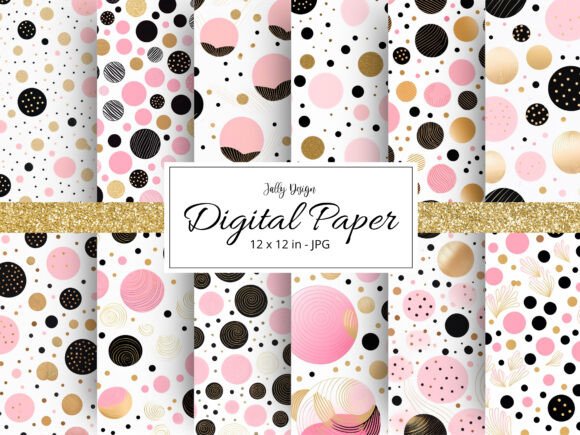
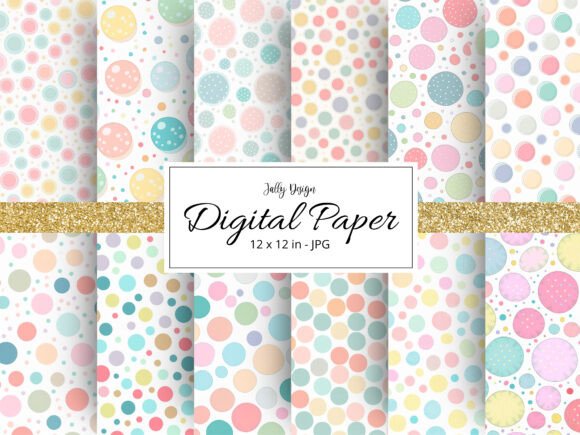
Before diving into application strategies, it is crucial to understand the technical specifications of the asset pack. Clarity here prevents frustration later. The Pastel Dots Un-perfect Patterns pack includes 12 high-quality JPG files. While 12 might seem like a modest number, the versatility of each file makes up for the quantity. Each pattern is distinct, offering a variety of pastel hues and dot configurations that can serve as backgrounds, overlays, or textured bases.
Technical precision is key for print and high-resolution web use. These files are rendered at 300 dpi (dots per inch) and sized at 12×12 inches (30.5 x 30.5cm). This resolution is the industry standard for professional printing, ensuring that when you scale these patterns up for posters or down for social media avatars, they remain crisp without pixelation. The square format is particularly advantageous for modern digital layouts, Instagram stories, and standard scrapbooking dimensions, allowing for seamless tiling if needed or direct use as focal backgrounds.
Common Pitfalls in Using Digital Paper Packs
Many creators purchase digital paper packs with good intentions but end up underutilizing them or producing results that feel disjointed. One common mistake is treating digital patterns exactly like physical paper. In physical crafting, you cut, paste, and layer tangible materials. In digital design, layers interact differently with light and color. Beginners often place these pastel dots directly behind bold, clashing text without adjusting opacity or contrast, resulting in a muddy, hard-to-read composition.
Another frequent error is ignoring the context of the medium. A pattern that looks charming on a computer screen might lose its detail when printed on low-quality cardstock, or it might become overwhelming when used as a full-page background for a website. Creators sometimes fail to test their designs across different devices before finalizing them. Additionally, there is a misconception that "pastel" means "low impact." On the contrary, soft colors can be highly effective if paired with strong typography and purposeful negative space. Failing to balance the visual weight of the dots can lead to designs that feel empty rather than airy.
Strategic Applications for Maximum Impact
To avoid these pitfalls, consider the diverse applications where Pastel Dots Un-perfect Patterns truly shine. Here is how to integrate them effectively into various workflows:
- Scrapbooking and Memory Keeping: The 12x12 inch size is perfect for digital scrapbooking software. Use the patterns as base pages, then overlay photos with semi-transparent white frames. The un-perfect nature of the dots adds a nostalgic, journal-like feel that complements personal memories better than geometric grids.
- Greeting Cards and Invitations: For birthdays, weddings, or baby showers, these patterns provide a soft backdrop that doesn’t compete with important details like dates and names. Tip: Place your primary text in a solid-colored box centered on the pattern to ensure readability while maintaining the aesthetic appeal.
- Party Decorations: Print these files on high-gloss photo paper to create banners, tags, and toppers. The consistency of the 300 dpi resolution ensures that even when cropped into small shapes for tags, the dots remain sharp and recognizable.
- Web Design and UI Elements: Use these patterns sparingly as section dividers or button backgrounds. They can soften the look of a corporate site without sacrificing professionalism. Avoid using them as full-page backgrounds unless the content above is minimal; otherwise, user experience may suffer due to visual clutter.
- Paper Crafts and Stickers: If you own a home printer and cutting machine, these files are ready to go. Layer multiple patterns together by printing them on different colored cardstocks to create dimensional stickers. The slight irregularity in the dots gives the final product a handmade, artisanal quality that mass-produced stickers lack.
- Creative Stationery: Letterheads, notebooks, and planners benefit from the calming effect of pastel tones. Ensure that the ink density of your printer supports the saturation levels of the pastels so they don’t appear washed out.
Evaluating Quality Before You Create
Not all digital assets are created equal. When evaluating Pastel Dots Un-perfect Patterns or any similar pack, check the following criteria to ensure satisfaction:
- Color Accuracy: Pastels are notoriously difficult to reproduce accurately on screens versus print. Always view the files in RGB mode for digital use and simulate CMYK if you plan to print extensively. Check that the pinks, blues, and yellows are true to the intended mood—not too neon or too gray.
- Seamlessness: If you intend to tile the pattern, verify that the edges align perfectly. Most high-quality packs like this one are designed to tile seamlessly, but testing a crop is essential.
- File Integrity: Ensure the JPG files are not compressed excessively. High compression can introduce artifacts around the dots, ruining the clean look. The 300 dpi specification should guarantee minimal artifacting, but opening the file in an editor at 100% zoom is a good practice.
Moving Forward with Confidence
The goal of using Pastel Dots Un-perfect Patterns is not just to fill space, but to evoke a feeling. It is about bringing a sense of calm and creativity to your audience. By avoiding common mistakes like poor contrast, ignoring medium-specific requirements, and rushing the design process, you can produce work that stands out. Remember, the "un-perfect" aspect is a feature, not a bug—it invites the viewer in, suggesting that something personal and crafted has been made.
Whether you are designing a brand identity for a new boutique, creating a heartfelt wedding invitation, or simply organizing your digital scrapbook, these 12 patterns offer a versatile toolkit. Take the time to experiment with layering, blending modes, and typography pairings. The result will be projects that feel authentic, high-quality, and distinctly yours. We hope you enjoy creating amazing projects with this collection. Happy designing!